
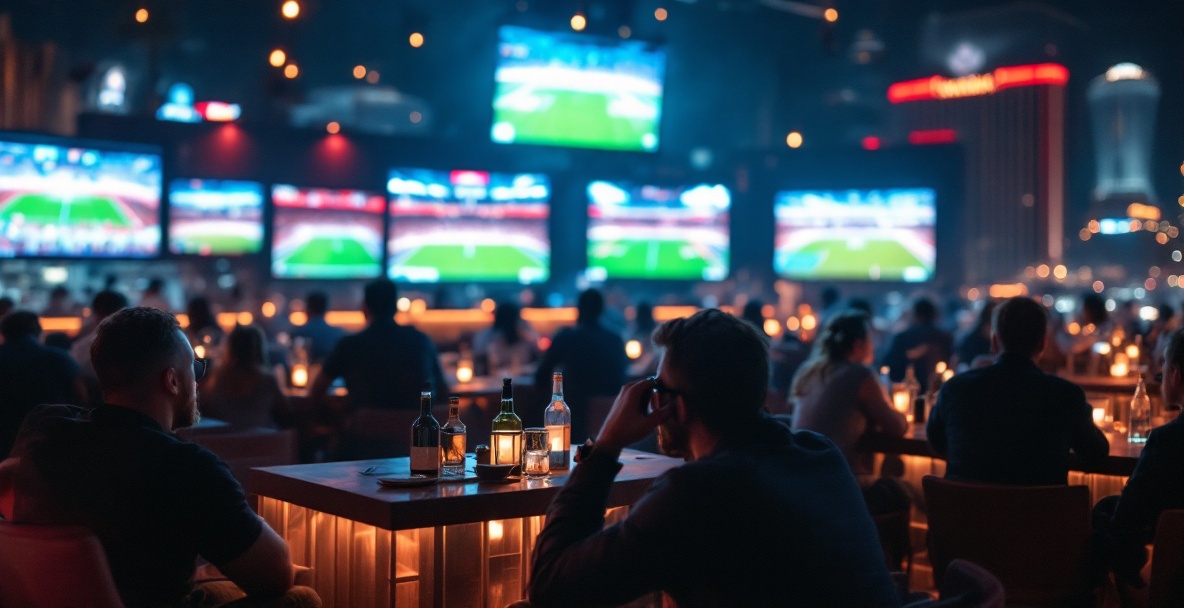
Quick take
If you need an organized VIP watch party for a major sports weekend and a no-drama afterparty, pick a lounge with built-in broadcast access or a dayclub willing to guarantee dedicated feeds, lock AV and ingress windows in a short contract clause, and plan a 45–90 minute buffer between game end and nightclub arrival. Negotiate comps, signage rights, and a transition plan in writing.
Short answer for planners (what you're trying to do)
You want a place that reliably shows the game for your group, protects your reservation or buyout, and gets everyone to the afterparty without losing energy or adding friction. That means prioritizing AV capability, a clear contract addendum for feeds/feeds control, and a timed transport + table handoff plan so the afterparty hits peak at the right moment.
1) Choosing the right venue: decision checklist
Not every lounge or dayclub is equal for a VIP watch party. Run venues through this checklist to qualify quickly.
- AV readiness: Ask if they can pull the official broadcast feed (cable/satellite/stream) to specific screens, not just cast a YouTube clip. Latency matters if live stats/odds are critical.
- Dedicated screens: Confirm the number and location of screens that will show your game; request priority routing in writing.
- Buyout vs reserved sections: Buyouts give control but cost more; reserved sections are cheaper but risk late arrivals and walk-ins. For 30+ people lean toward a partial buyout.
- Transition path: How easy is it to move the group to a nearby nightclub? Hotels with connected venues win.
- Brand/sponsor rules: Venues may restrict exposed branding or sponsor activations—get limits in the contract.
- Food & beverage options: Confirm whether you can have a custom menu or minimums applied to food separate from bottle minimums.
- Transport & layout: Check elevator access, stairs, and egress to avoid bottlenecks when the game ends.
Quick venue-fit guidance
Hotel Lounge
Best when connected to clubs; moderate AV but easiest transition logistics.
Stand-alone Sports Bar
Excellent AV and screens; harder to convert to late-night club energy.
Dayclub / Poolside
High energy for daytime games, requires sun-to-club plan for nighttime events.
2) Negotiating screens, feeds, and buyouts — exact asks your contract needs
Venues will offer packages; most omit operational specifics. Push for language that guarantees what you actually need. Below are contract items I include every time.
- Dedicated broadcast feed: "Venue to provide primary broadcast feed for [event/date] to be routed to X screens (list locations). Guest group to have priority on listed screens for game duration and 30 minutes postgame unless otherwise agreed in writing."
- Screen control & latency clause: "Venue to ensure feed synchronization and minimize stream latency; venue to notify host of any delays over 10 seconds."
- Branding & signage: "Host permitted X branded items (banners, table signage, branded napkins) in defined locations. Venue to confirm restrictions and agree in writing."
- Activation & comps: "Venue will provide agreed sponsor comps and staff activation rights (sampling, product placement) and confirm staffing plan."
- Weather/technical contingency: For outdoor/dayclub watch parties, add a contingency for relocation indoors with equivalent AV or a rain-date clause.
- Transition window: Define an 'egress window'—the venue will hold tables for X minutes after game end to allow transport to afterparty.
Always get these as written riders or addendums. Verbal promises disappear after a big play.
3) Budgeting and allocation — a practical framework (no sticker shock numbers)
Instead of hard prices, use allocation percentages and known cost drivers so you can scale the plan to any group size.
| Line item | Typical allocation | Notes |
|---|---|---|
| Venue guarantee / buyout | 35–55% | Includes AV priority and space control; larger groups trend higher. |
| Bottle service & drink minimums | 20–40% | Depends on whether food is included or separate. |
| Food & staffing (servers, security) | 5–15% | Often overlooked; necessary when buying out spaces. |
| Transport & logistics | 3–10% | Party shuttles or staged rides for smooth transitions. |
| Reserve / contingency | 5–10% | Overruns, late comps, or last-minute seat expansions. |
Use these allocations to build a per-person payable target or to decide whether to pursue a full buyout vs section reservation. Confirm current pricing with the venue and put a cap in the contract for add-on charges.
4) Timing templates: sync game end to nightclub arrival
Timing is where most groups lose momentum. Below are repeatable templates you can copy depending on venue proximity to the afterparty.
Same property or connected venues
Game end to club arrival: 30–45 minutes. Plan a 15–20 minute staged exit from the lounge (final rounds/last call) and a 10–15 minute walk/escort to the club. Host should assign 1 point person for every 10 guests.
Short transport (5–15 minutes)
Game end to club arrival: 45–60 minutes. Schedule pre-booked shuttles or grouped rides in waves. Leave a 10-minute buffer for latencies or overtime celebrations.
Longer transport or peak traffic
Game end to club arrival: 60–90 minutes. Stagger departures, and have an on-deck area where the group can finish food/charge phones before boarding transport.
Tip: confirm the club's arrival window they want for bottle placements. Many clubs prefer groups to arrive in a 30-minute window before peak to properly seat and service tables.
5) Day-of logistics checklist & run sheet
Execute like a host who's done this before. Print this run sheet and assign roles.
- Confirm feeds and screens 90 minutes before kickoff with venue AV lead.
- Check branding placements and take photos for post-event reconciliation.
- Set arrival groups and lead contacts; distribute a simple text schedule to guests.
- Stage transport 20 minutes before planned egress window.
- Confirm club readiness 15 minutes before first wave arrival—tables, bottle placements, and host recognition at entry.
- Post-event: get settlement copy (itemized) and confirm any comps in writing before guests leave.
Comparison: buyout vs reserved section vs private room
| Option | Control | Best for | Drawback |
|---|---|---|---|
| Full buyout | High — exclusive control | Large groups wanting brand activations | Highest cost, needs early booking |
| Reserved section | Medium — section priority | Groups focused on bottle service and atmosphere | Walk-ins and other guests remain in venue |
| Private room | High for sound/control; may limit view | Corporate watch parties or brand presentations | May require separate AV setup |
Where to read next (Nokturnal resources)
If you're planning a convention or trade-group buyout, our Convention Lounge & Private Buyout Guide covers negotiation basics. For transport logistics during tight egress windows, read Las Vegas Group Transportation for Nightlife. For fight-night timing and late-night club sequencing, refer to our Fight Weekend Nightlife Guide.
Final host tips — avoid the common mistakes
- Don't assume "we can put it on a screen" means dedicated feed—get it in writing.
- Negotiate a written egress window so the lounge holds your tables while you transition to the club.
- Budget for staffing and security; when groups move en masse the venue needs predictable staffing levels.
- Confirm parking and rideshare load zones during event peak to avoid long delays.
Ready to lock a venue designed for a sports weekend crowd?
If you want a premium dayclub watch experience with reliable AV and a planned afterparty, check Stadium Swim. We handle timing, feeds, and the move to the club so you don't have to.